In 2026, the new tea beverage industry in China is charting a daring course that feels as if it is simultaneously sailing the deep sea and skimming the sunlit surface of a vast ocean. This dual metaphor—“half deep sea, half far ocean”—captures an industry that is equally committed to pioneering experimental, nutrient-dense brews and to expanding accessible, joyfully familiar tastes for mainstream drinkers. Below is a deep dive into how the marketplace, consumer psychology, supply chain, and product innovation are guiding this next phase of new tea.
1. Navigating the Deep Sea: Functional and Tech-Infused Tea Innovation
The “deep sea” of 2026’s new tea world symbolizes complexity, authenticated health benefits, and technological escalation. Here, brands dive into rare botanicals, adaptogenic fungi, marine collagen extracts, and lab-based customization—mirroring the deductions of deep ocean research where unexpected life forms reveal entirely new biochemical possibilities.
1.1 Functional Ingredients Meet Biohacking Interest
Post-pandemic consumers are still seeking beverages that provide more than flavor—think targeted mood modulation, hormonal balance, anti-inflammatory support, and cognitive performance. Across Asia and North America, leading new tea brands now infuse drinks with ingredients such as rhodiola, lion’s mane, kelp peptides, and microalgae-derived omega-3. Biodegradable delivery capsules with encapsulated antioxidants ensure freshness, satisfying both health-focused early adopters and increasingly regulated quality standards.
1.2 Smart Orders, Smart Brews
Digital platforms continue to layer personalization tools onto ordering experiences. Customers choose their tea base, sweetness levels, carbonation, adaptogen blends, and even fermentation time via apps leveraging AI-driven flavor profiling. These bespoke drinks resemble lab-concocted potions, resonating with biohackers attracted to data-backed wellness choices. NFC-enabled packaging provides transparency for ingredient sourcing, while automated tea extraction systems maintain consistent steeping across global stores.
1.3 Marine-Inspired Plant Science
“Deep sea” also nods to maritime ingredients. Marine botanicals—such as seaweed-derived umami complexes, mineral-rich seawater infusions, and sustainable microalgae—bring an elusive brininess that energizes the palate. These components prove particularly popular in coastal markets where tethering to the sea fits cultural identity. Brands partner with marine research institutes to ensure ethical harvesting, collecting only from regenerative aquaculture that boosts biodiversity.
1.4 Sustainability Anchors
While exploring new frontiers, companies keep planetary limits top-of-mind. A wave of new packaging innovations—algae-based cups, compostable straws, reusable thermal bottles—reinforces the image of brands as ocean-conscious stewards. Circular supply chain experiments, such as tea leaf upcycling and CO₂ capture partnerships, deliver measurable reductions in environmental footprint, which consumers can easily verify through blockchain-backed sustainability dashboards.
2. Sailing the Far Ocean: Accessible, Familiar, and Flavor-Forward
Opposite the deep sea lies the “far ocean”—an expansive horizon symbolizing everyday indulgence, nostalgia, and mass-market acceptance. This is the current driving the majority of sales in 2026, as brands design menus that feel both new and comforting.
2.1 Comforting Innovation with Classic Roots
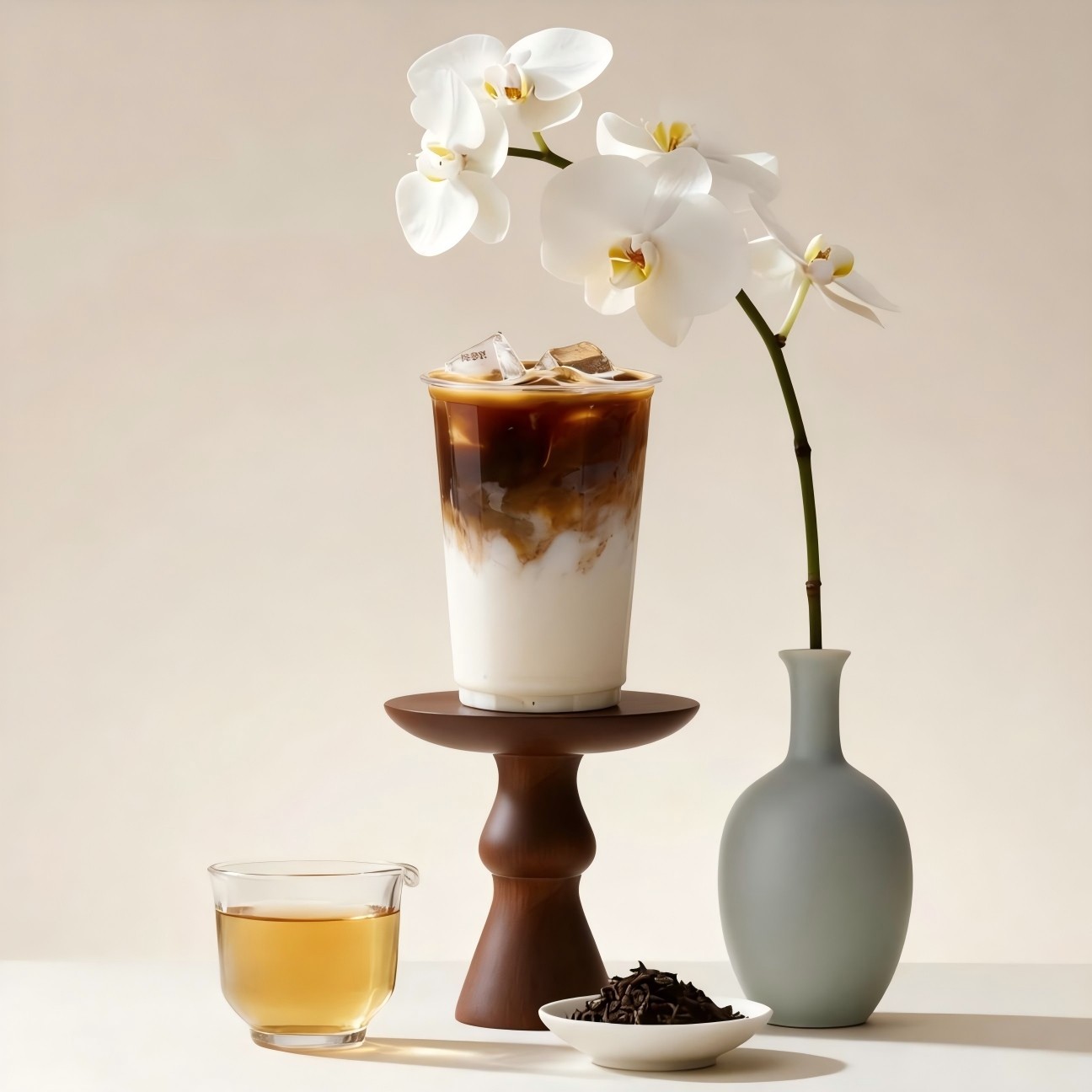
Milk tea still reigns supreme, but it has transformed. Lighter dairy alternatives—such as cultured oat milk swirled with brown sugar syrup or honeyed soy cream—capture sweet reminiscences while accommodating lactose-intolerant drinkers. Traditional ingredients like jasmine pearls and frothy matcha pair with trending additions such as toasted cacao nibs or roasted chicory for a balanced taste that attracts Gen Z and millennial palates alike.
2.2 Regional Flavor Bridges
New tea houses tailor menu tiers across markets: in Southeast Asia, pandan and gula melaka milky cons semblances; in Latin America, tamarind marmalade or hibiscus-infused bubbles draw crowds. This localized sensitivity keeps brand narratives genuine while enabling global expansion. Collaborative capsules with regional chefs or artists further integrate new tea into the cultural zeitgeist, providing cross-category marketing opportunities.
2.3 Refreshment with Purpose
From midday refreshers to evening relaxers, the far ocean wave emphasizes versatility. Sparkling tea sodas with citrus zests, ultra-low sugar fruit blends, and chilled tea lattes with cooling mint align with a consumer who wants a drink for every mood. Brands also craft “tea flights” mirroring wine tasting—perfect for group outings while stimulating social media content. Ready-to-drink (RTD) lines scale this accessibility, shelf-stable yet brimming with flavor, ready for convenience stores and airports.
2.4 Experience Design and Community
Physical retail spaces play up immersive themes: seafoam lighting, textured walls, and acoustic playlists echoing ocean rhythms. Customers are encouraged to stay, share, and return via loyalty rewards that unlock tasting events or limited-edition merchandise. These experiences foster a sense of belonging that merges the excitement of discovery with everyday rituals.
3. Market Forces Steering the Journey
A confluence of demographic shifts, regulatory updates, and supply chain resilience define 2026’s operational landscape.
3.1 Younger Consumers with Higher Standards
Gen Z and Gen Alpha demand transparency, authenticity, and interactive stories. They research brands before purchase, share their experiences even more readily than previous cohorts, and expect digital-first interactions. Successful new tea brands invest heavily in narrative-driven content, showcasing farmers, ingredient journeys, and community impact.
3.2 Supply Chain and Ingredient Traceability
Geopolitical uncertainties and climate disruptions pressure sourcing strategies. Brands are diversifying to multi-region tea estates—Northeastern India, Taiwan, Yunnan, and even experimental vertical farms in urban hubs. Blockchain logging keeps the supply chain resilient, verifying everything from harvest conditions to transportation emissions.
3.3 Regulatory Balance
With functional drinks containing adaptogens and potent botanicals, regulators in EU, North America, and parts of Asia now require rigorous safety assessments. Forward-thinking brands collaborate with food scientists and compliance teams to ensure claims are substantiated without compromising marketing momentum. Consumer trust is built on verified benefits rather than anecdotal hype.
4. Financial Currents and Global Expansion
Despite economic fluctuations, venture funding remains steady for brands leading in innovation. Investors prize data-savvy operations, omnichannel presence, and expansion-ready logistics.
4.1 Capital for Hybrid Models
Equity funding supports hybrid models—flagship tea bars, franchised kiosks, and digital-only verticals. Vertical integration (owning plantations, extraction labs, and retail) increases margins while safeguarding quality. Strategic partnerships with lifestyle conglomerates usher in co-branded cafés, nighttime bar concepts, and limited-release collaborations with fashion houses.
4.2 Data Monetization
Retailers harvest behavioral data from ordering apps to optimize supply, personalize marketing, and measure sustainability impact. Loyalty programs now reward not only purchases but also advocacy, social shares, recycling participation, and feedback submission.
5. The Horizon: Future Currents and Predictions
Looking forward, the new tea beverage industry will continue riding the tension between experimentation and comfort, much like navigating the contrasting deep ocean depths and expansive seas.
5.1 Ocean-to-Table Dining:
Expect more tea pairing menus in fine dining, where sommeliers collaborate with tea advisors to integrate pairing notes with marine-inspired cuisine.
5.2 Sensory Tech:
Aroma-emitting packaging and immersive AR filters will deepen sensory engagement.
5.3 Holistic Wellness Ecosystems:
Branded tea subscriptions will bundle personalized blends, wearable data reports, and mindful rituals.
The key to success lies in balancing innovation with accessibility. Brands that manage to harness deep-sea complexity without alienating mainstream drinkers will dominate. That is the dual path this brave new world of tea is charting—half shadowy depth, half open horizon.