
China Colour Intelligence
起
Grain in Ear · Opening colour#D5D1AE筠雾(Jūn Wù)
Bamboo Mist
Colour Values色值
HEX
#D5D1AE
RGB
rgb(213, 209, 174)
HSL
hsl(54, 32%, 76%)
OKLCH
oklch(0.855 0.047 101.9)
CMYK
0, 2, 18, 16
approx
Global Colour Equivalents国际色卡对照
CSS nearest ≈
palegoldenrod
#EEE8AA
Pantone FHI/TCX ≈
hay
#d3cca3
Nearest perceptual match (OKLab). Pantone value is from an unofficial dataset — approximate; verify against official swatches before production.
Imagery & Provenance意象与出处
Solar term
芒种 · Grain in Ear — "螳螂生,鵙始鸣,反舌无声。"
Imagery
“Jūn” is the skin of bamboo; Bamboo Mist is the pale, soft green-grey of thin mist among bamboos.
Origin
Grain in Ear begins the season when the bearded grains are sown, and the term’s colours are all a single soft bamboo-green. It opens at the palest: mist, not bamboo — the colour half-dissolved in the air.
System
B Solar-term sets
Source
Book of Rites, Monthly Ordinances: “On the day of Grain in Ear, the mantis is born.” (opening colour of 芒种.)
Citation
《礼记·月令》:芒种之日,螳螂生。
Evidence
Ancient-text attestation (attestation > artifact > compilation > approximation)
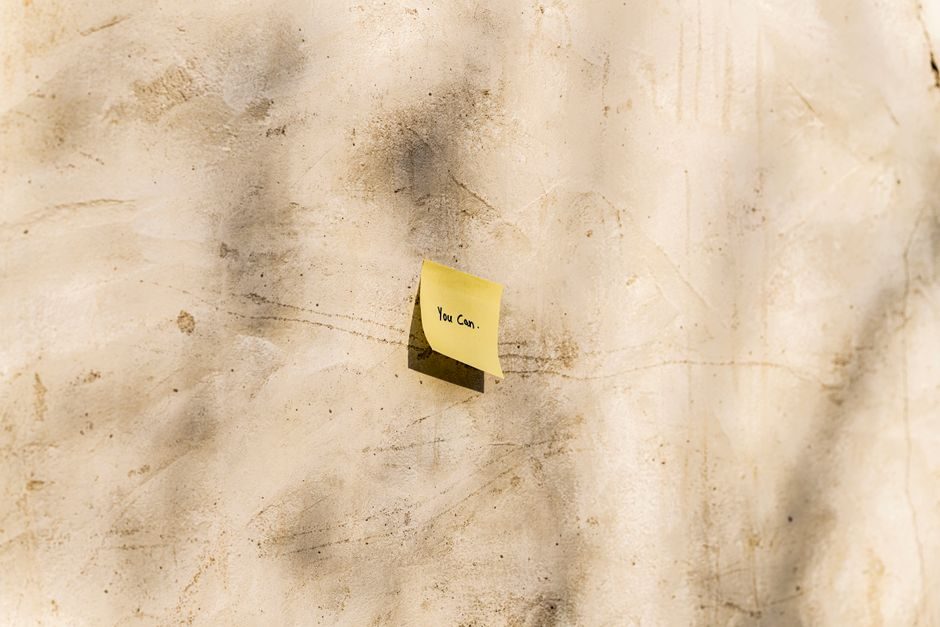
Imagery意象图
Brand & Product References国际色号案例

Burberry Beige
#D7C3A1 · ≈ ΔE 7.4 (CIEDE2000)
Global brand reference
photo: Hampshire and Solent Museums · CC BY-SA 2.0
Editorial reference only — same/near shade used by these brands. Names and colours are trademarks of their respective owners; photos are CC-licensed from Wikimedia Commons (see credit on each card); no affiliation or endorsement implied.
Cultural Note for non-Chinese Designers文化提示
CautionYellow/gold = imperial, centre, earth, wealth. West reads caution.
Same Family同色系
Pantone/CSS values are nearest perceptual matches (OKLab distance), not official colour codes.