
China Colour Intelligence
转
Cold Dew · Turning colour#778A77青梅(Qīng Méi)
Green Plum
Colour Values色值
HEX
#778A77
RGB
rgb(119, 138, 119)
HSL
hsl(120, 8%, 50%)
OKLCH
oklch(0.613 0.036 145.1)
CMYK
14, 0, 14, 46
approx
Global Colour Equivalents国际色卡对照
CSS nearest ≈
gray
#808080
Pantone FHI/TCX ≈
hedge green
#768a75
Nearest perceptual match (OKLab). Pantone value is from an unofficial dataset — approximate; verify against official swatches before production.
Imagery & Provenance意象与出处
Solar term
寒露 · Cold Dew — "萧疏桐叶上,月白露初团。"
Imagery
The green of an unripe plum — a clear, slightly sour green.
Origin
Green plums are paired with wine and with young companions in classical verse. As the turning colour it is the term’s green at its plainest: fruit rather than ornament, the colour of a taste.
System
B Solar-term sets
Source
Dai Cha, “Cold Dew” — “on sparse paulownia leaves the white dew first gathers.” (turning colour of 寒露.)
Citation
戴察《寒露》
Evidence
Ancient-text attestation (attestation > artifact > compilation > approximation)
Imagery意象图

Brand & Product References国际色号案例
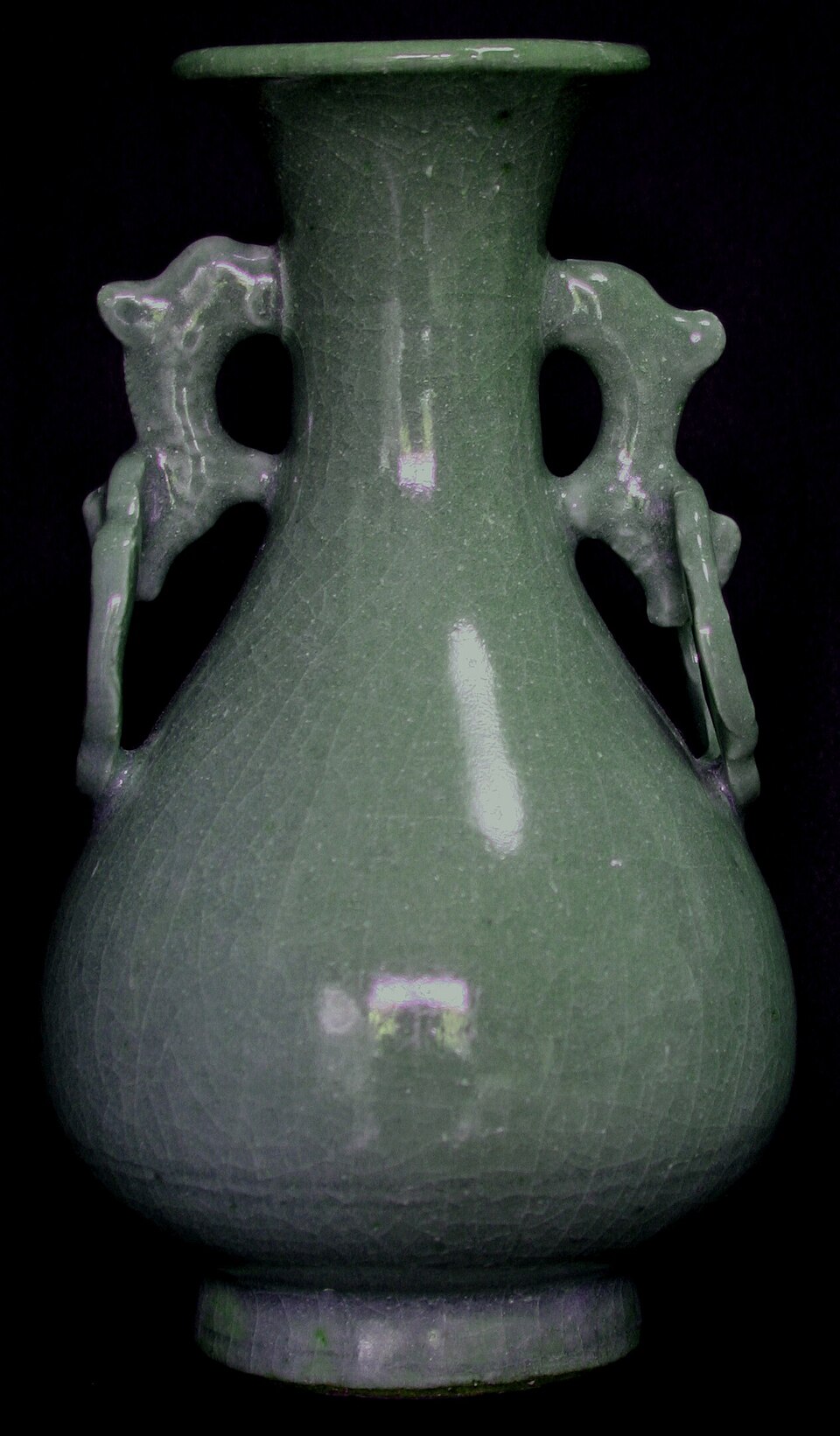
Celadon (Longquan)
#8DB6A6 · ≈ ΔE 14.3 (CIEDE2000)
Global brand reference
photo: Iwanafish at English Wikipedia · Public domain
Editorial reference only — same/near shade used by these brands. Names and colours are trademarks of their respective owners; photos are CC-licensed from Wikimedia Commons (see credit on each card); no affiliation or endorsement implied.
Cultural Note for non-Chinese Designers文化提示
CautionWhite = purity AND mourning/funerals in China. Avoid all-white for CNY/wedding contexts.
Same Family同色系
Pantone/CSS values are nearest perceptual matches (OKLab distance), not official colour codes.