
China Colour Intelligence
承
Start of Autumn · Succeeding colour#6F94CD监德(Jiān Dé)
Jian De
Colour Values色值
HEX
#6F94CD
RGB
rgb(111, 148, 205)
HSL
hsl(216, 48%, 62%)
OKLCH
oklch(0.662 0.095 258.8)
CMYK
46, 28, 0, 20
approx
Global Colour Equivalents国际色卡对照
CSS nearest ≈
cornflowerblue
#6495ED
Pantone FHI/TCX ≈
cornflower blue
#7391c8
Nearest perceptual match (OKLab). Pantone value is from an unofficial dataset — approximate; verify against official swatches before production.
Imagery & Provenance意象与出处
Solar term
立秋 · Start of Autumn — "凉风至,白露降,寒蝉鸣。"
Imagery
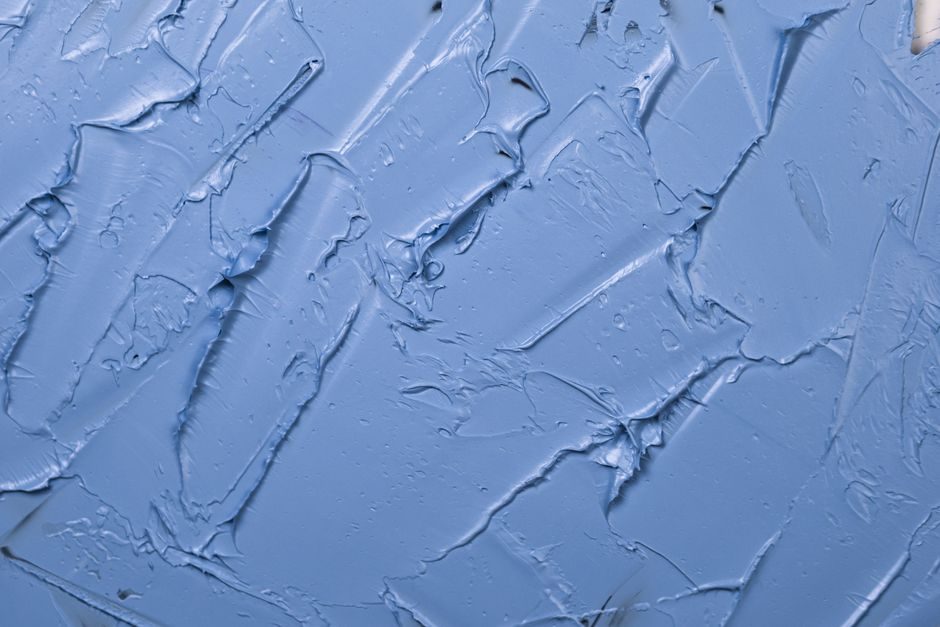
A classical colour of the sky’s middle range, at once blue and faintly violet.
Origin
As Start of Autumn’s succeeding colour it takes the palette down one step from the palest blue toward the full sky. The four blues are the term’s single statement: autumn arriving as a deepening of the same air.
System
B Solar-term sets
Source
Book of Rites, Monthly Ordinances: “On the day of Start of Autumn, cool winds arrive.” (succeeding colour of 立秋.)
Citation
《礼记·月令》:立秋之日,凉风至。
Evidence
Ancient-text attestation (attestation > artifact > compilation > approximation)
Imagery意象图
Brand & Product References国际色号案例
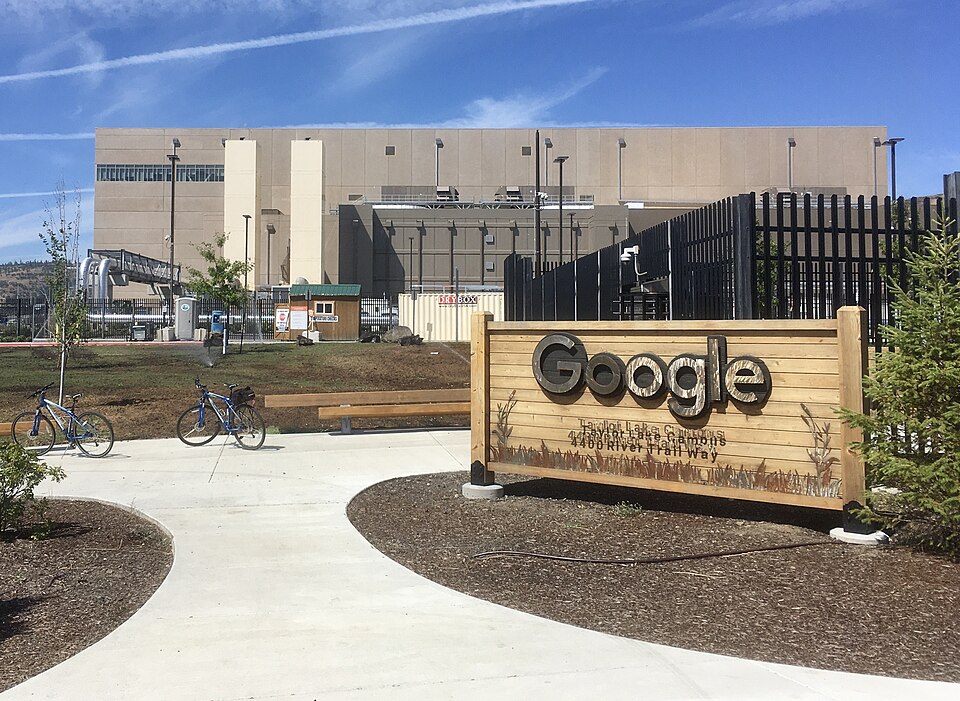
Google Blue
#4285F4 · ≈ ΔE 6.7 (CIEDE2000)
Global brand reference
photo: Lambtron · CC BY-SA 4.0
Editorial reference only — same/near shade used by these brands. Names and colours are trademarks of their respective owners; photos are CC-licensed from Wikimedia Commons (see credit on each card); no affiliation or endorsement implied.
Cultural Note for non-Chinese Designers文化提示
CautionBlue = calm, porcelain (blue-and-white). Shares the 青 heritage.
Same Family同色系
Pantone/CSS values are nearest perceptual matches (OKLab distance), not official colour codes.