
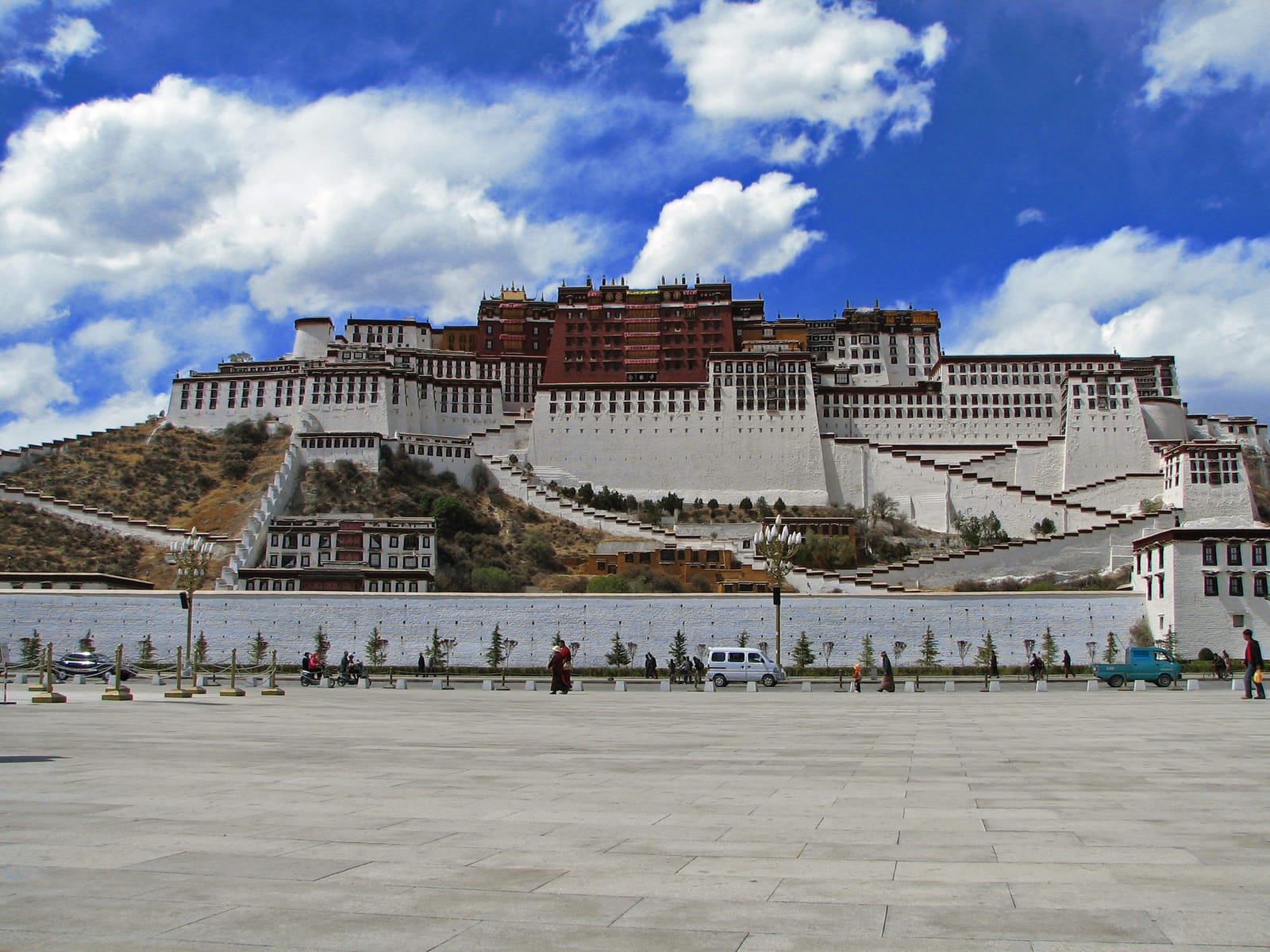
Tibet 西藏
Abbreviation: 藏 · One of China's 31 provincial-level regions
Overview
Tibet (西藏) is a provincial-level region of China, with a 2025 population of 3.6M and GDP of $43B (7.0% growth). Urbanization stands at 38.9%, and 3.3M people are online - a Southwest China economy led by tourism, clean energy, minerals. For brands, Niche market for tourism brands. Foreign brands generally do not need a Tibet-specific strategy.
0 profiled cities · capital Lhasa · Southwest China
Key Indicators (2025)
Tibet in photos
Cityscapes, culture, nature and daily life — tap any photo to enlarge.
Photos: Wikimedia Commons contributors (CC BY/CC BY-SA/CC0).
Digital Highlights
Lhasa tourism and pilgrimage content has strong Douyin/Xiaohongshu appeal. Small but fast-growing digital base.
Policy Zones & Incentives
Tibet Free Trade Zone (Lhasa).
Brand Insights
Niche market for tourism brands. Foreign brands generally do not need a Tibet-specific strategy.
Frequently asked questions
Why does Tibet matter for my China strategy?
With 2025 GDP of $43B it ranks among China's emerging regional markets. Niche market for tourism brands. Foreign brands generally do not need a Tibet-specific strategy.
What policy advantages does Tibet offer?
Tibet Free Trade Zone (Lhasa). These zones typically mean simpler customs, faster cross-border e-commerce setup and local incentives for foreign-invested entities - worth checking before choosing your legal entity location.
Where should I start within Tibet?
Lhasa is the natural hub - see the city profiles below. Lhasa tourism and pilgrimage content has strong Douyin/Xiaohongshu appeal. Start with the capital, validate with one satellite city, then scale regionally.
Entering Tibet?
We help foreign brands localize for Tibet's consumers - platform strategy, KOLs, e-commerce and compliance.
Data source: National Bureau of Statistics & provincial statistical bulletins (2025) (2025). GDP converted to USD at ≈7.1 CNY/USD. Figures are indicative - verify before investment decisions.