
Nanning 南宁
Nanning ·
Overview
Nanning (南宁) is a Tier 2 city in South China with a permanent population of 8.9M and a 2025 GDP of $87B (4.2% growth). Per-capita disposable income of ¥43.0k places it above the national urban average. Its economy is anchored by asean trade, food processing, aluminum and more, and 92.0% of internet users are active on WeChat - making it a regional hub for gateway to asean with strong china-asean expo influence.
Nanning · South China - regional transport & logistics hub
Key Indicators (2025)
Digital Platform Penetration (est.)
Estimated % of the city's internet population actively using each platform. Estimates based on platform disclosures and industry data.
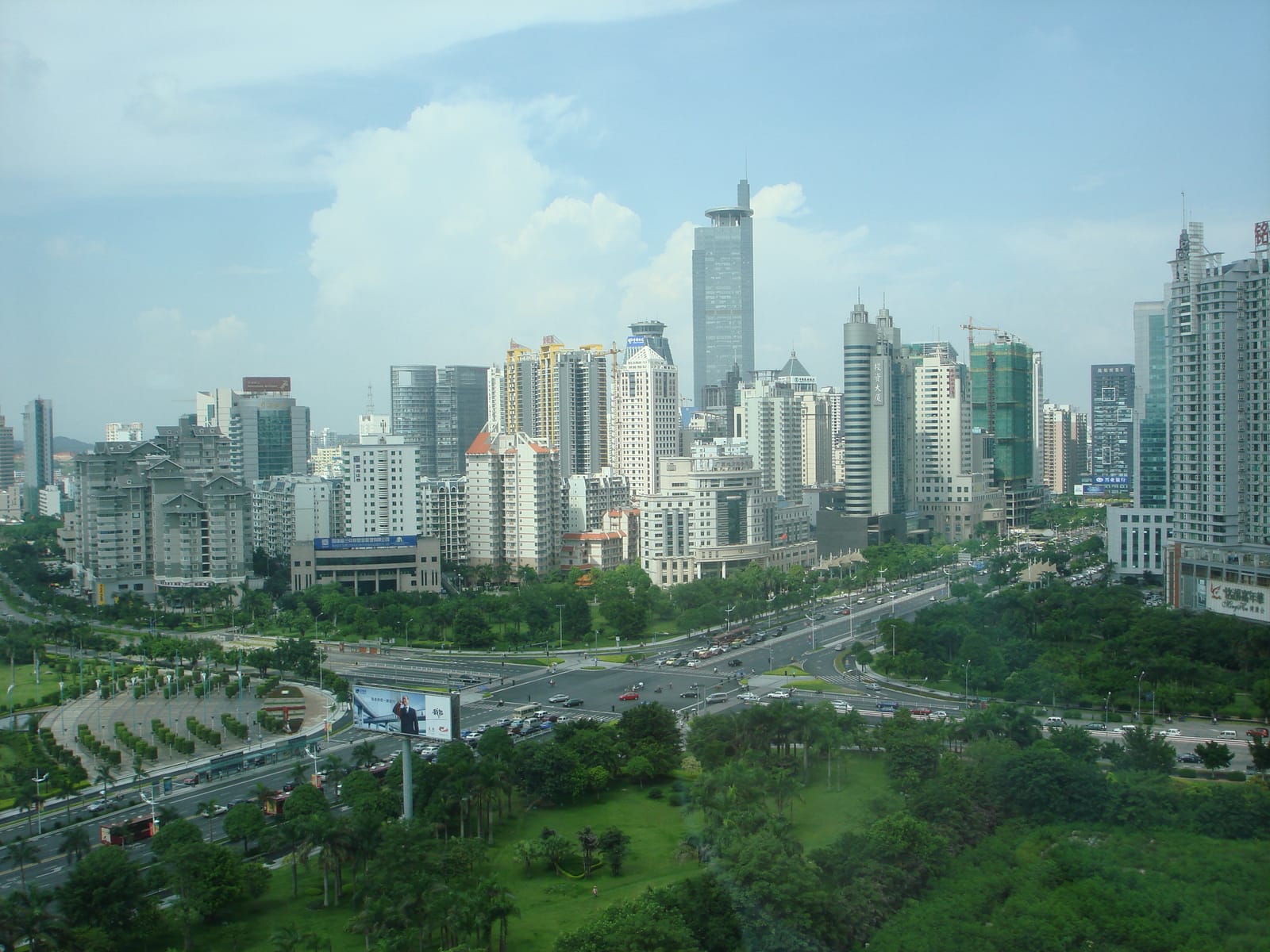
Nanning in photos
Cityscapes, culture, nature and daily life — tap any photo to enlarge.
Photos: Wikimedia Commons contributors (CC BY/CC BY-SA/CC0).
Consumption Highlights
Gateway to ASEAN with strong China-ASEAN Expo influence. Tropical lifestyle, slower consumption growth.
Key Business Districts
Chaoyang Square, Nanning Wuxiang New District, Qingxiu district.
Brand Entry Tips
Relevant for ASEAN-facing B2B and tropical food/beverage brands. Secondary consumer priority.
Frequently asked questions
Is Nanning the right first market for my brand?
Nanning is a Tier 2 market with 2025 GDP of $87B and per-capita income of ¥43.0k. Its fast-growing consumer base rewards value-plus-quality positioning - Relevant for ASEAN-facing B2B and tropical food/beverage brands. Secondary consumer priority.
Which digital platforms matter most in Nanning?
WeChat reaches an estimated 92.0% of local internet users and is non-negotiable for CRM and private-domain. Douyin covers 81.0% (key for content and livestream e-commerce), while Xiaohongshu reaches 34.0% - smaller but influential among young, urban women.
How should I enter Nanning?
Start with a province-level view (see the province profile) for policy and logistics context, then run a 3-month pilot: Xiaohongshu/Douyin seeding, a Tmall Global or JD Worldwide store, and a pop-up or distributor trial in Chaoyang Square. Validate demand before committing to a legal entity.
Expanding into Nanning?
Let's build your Nanning market entry strategy - from platform selection to local KOL partnerships.
Data source: National Bureau of Statistics & provincial statistical bulletins (2025) (2025). GDP converted to USD at ≈7.1 CNY/USD. Figures are indicative - verify before investment decisions.