Weibo is not just China's Twitter-equivalent. In 2026, it is the country's most influential public square — shaping brand perception, driving consumer conversations, and making or breaking market entries. With over 600 million monthly active users and a trending topics engine that processes billions of daily interactions, Weibo's trending list remains one of the most powerful tools for brand discovery in China.
Yet for overseas brands, Weibo trending often feels like a black box. How does a topic trend? What separates organic virality from paid promotion? And most importantly — how can your brand earn a spot without triggering the skepticism of China's most discerning online audience?
This guide breaks down the 2026 Weibo trending ecosystem into actionable strategies. Based on Q1 2026 data — which recorded 47,000 trending topics and 112 "explosive" level trends — here is what every brand marketer needs to know.
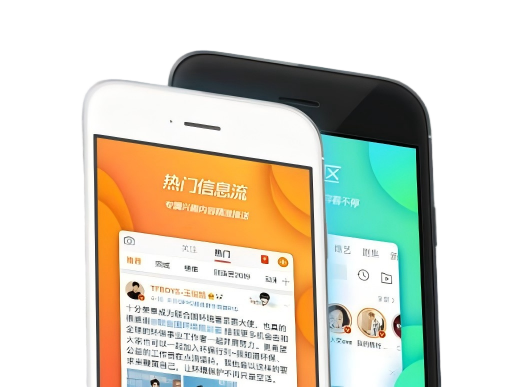
Understanding Weibo's Trending Ecosystems
Weibo trending is not a single list. In 2026, the platform operates multiple specialized trending lists, each with its own ranking algorithm:
Trending ListUpdate FrequencyKey FactorsBest ForReal-time TrendingEvery 10 minSearch velocity + discussionEvent campaignsHot Topics24-hourCumulative reads, searchesSustained narrativesEntertainmentReal-time + dailyCelebrity content weightKOL collaborationsCity-localReal-timeLocation-weighted engagementLocal activationsDeep DiscussionDailyComment quality + depthThought leadershipVideo HeatReal-timeViews + shares + completionShort-form video
Key insight: The Deep Discussion and Video Heat lists are 2026 additions. For overseas brands, the Deep Discussion list is a hidden gem — it rewards substantive content over clickbait.
The Algorithm: What Drives a Topic to Trend?
Weibo's 2026 algorithm weighs four primary signals:
Search Volume Velocity — ~40% weight Not total searches, but the speed at which searches accelerate. A topic with 50,000 searches in 10 minutes ranks higher than 500,000 over 24 hours.
Discussion Density — ~30% weight Original posts containing the topic keyword. Comments longer than 20 characters with replies carry more weight.
Account Authority — ~20% weight Verified accounts carry more ranking influence.
Cross-platform Spillover — ~10% weight Topics trending on Xiaohongshu or Douyin simultaneously get an automatic boost on Weibo.
Content Strategy: Crafting Trendable Topics
Pattern A: The "Reveal" Chinese consumers love behind-the-scenes stories. A European skincare brand trended by revealing a "forgotten botanical ingredient" in their formula, sparking 15,000+ discussions.
Pattern B: The "Debate Starter" Framing your brand within an existing consumer debate drives higher discussion density.
Pattern C: The "Occasion Hook" Tie your brand to a cultural moment. A Swiss chocolate brand executed "Zongzi-inspired chocolate pairings" during Dragon Boat Festival.
Pattern D: The "Visual Revelation" Product unboxing videos perform exceptionally well on the Video Heat list.
Campaign Execution Playbook
Timing: The 30-Minute Rule
Weekday Lunch (12:00-14:00): Lifestyle, FMCG, beauty
Weekday Evening (18:00-22:00): Entertainment, luxury, tech
Weekend Afternoon (14:00-17:00): Travel, food, leisure
Launch Sequence:
Hour -1: Pre-seed discussion on Weibo and Xiaohongshu
Hour 0: Activate KOL network — first 2 hours determine 80% of fate
Hour +2: Cross-promote on WeChat and Douyin
Hour +6: Respond to top comments
Hour +24: Convert traffic into followers
Measurement & Optimization
Measure three dimensions:
Attention: Views, searches, time-on-topic
Engagement: Original posts, comment depth, reply rate
Conversion: Profile visits, DM inquiries, search-to-purchase
Common Pitfalls
Mistake 1: Translating global content. Localize to China-specific narratives.
Mistake 2: Ignoring the search loop. Ensure Xiaohongshu content exists.
Mistake 3: Underestimating regulatory risk. CAC monitors in real-time.
Final Takeaway
Weibo trending in 2026 is more powerful but more complex than ever. Success requires understanding each list's algorithm, crafting content that serves genuine consumer curiosity, and orchestrating across platforms.