In China’s fast-evolving digital ecosystem, top-performing brands understand that effective marketing goes beyond short-term sales — it’s about embedding the brand into the consumer’s lifestyle, values, and daily conversations. Unlike traditional advertising-driven approaches, successful brands in China leverage multi-layered content strategies that combine storytelling, trust-building, and cultural resonance to create long-term loyalty.
Why Content Marketing in China Demands a Strategic Approach
Many international brands entering China assume that heavy ad spending alone will guarantee success. However, Chinese consumers are highly discerning, and platforms like WeChat, Douyin (TikTok China), Xiaohongshu (Little Red Book), and Weibo require more than just paid placements. Here’s why:
1. Chinese Consumers Crave Engagement, Not Just Ads
- Successful campaigns often involve UGC (User-Generated Content), KOL collaborations, and community-driven discussions.
2. Algorithm-Driven Platforms Favor Organic Engagement
- Unlike Western social media, China’s platforms (e.g., Douyin, Xiaohongshu) prioritize content that naturally engages users—meaning brands must focus on quality over quantity.
- Paid ads alone won’t sustain visibility; viral potential comes from storytelling and emotional triggers.
3. Brand Trust is Hard-Won, Easily Lost
- Chinese consumers heavily rely on peer reviews, KOL recommendations, and real-user testimonials before trusting a brand.
- Scandals or missteps spread rapidly, making reputation management critical.akes time.
The Three Pillars of Brand Building in China with Well Thought Content Strategy
Leading Chinese brands follow a structured approach to building deep consumer connections. Here’s how they do it:
Layer 1: Brand as Identity – Standing Out in a Crowded Market
Before a brand can earn trust or cultural relevance, it must first establish a strong, recognizable identity. In China, this goes beyond logos and slogans—it’s about creating a narrative that sticks.
Key Strategies:
1) Leverage Founder & Brand IPs
- Chinese consumers connect with humanized brands (e.g., Lei Jun of Xiaomi, Zhang Yiming of ByteDance).
- Some brands create mascots or virtual influencers (e.g., Alibaba’s Taobao mascot, Tmall’s “Lucky Cat”).
2) Localized Brand Naming & Messaging
- A direct English-to-Chinese translation often fails.
- Successful brands adapt names with cultural meaning (e.g., Coca-Cola = 可口可乐 “Kekou Kele” meaning “tasty and fun”).
3) Consistent Visual & Verbal Identity
- Use memorable color schemes, fonts, and slogans that align with Chinese aesthetics.
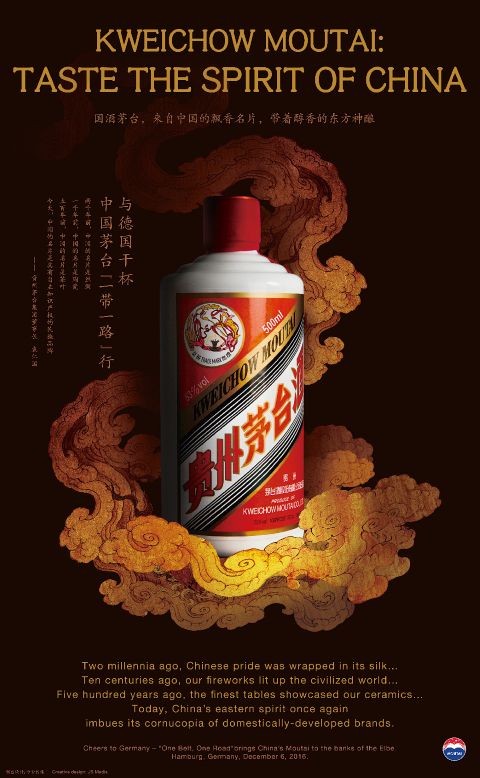
Example: Moutai (茅台) reinforces its premium status through traditional Chinese imagery and patriotic branding.
Layer 2: Brand as Trust – Building Credibility in a Skeptical Market
Chinese consumers are cautious—they don’t trust brands easily. To win them over, brands must prove reliability through product quality, social proof, and community engagement.
Key Strategies:
1) Social Commerce & Community Building
Example: Xiaomi’s early success came from engaging tech enthusiasts in forums before launching products.
Brands like Perfect Diary use private WeChat groups to foster loyalty.

2) KOL & KOC Partnerships
- Key Opinion Leaders (KOLs) drive awareness, but Key Opinion Consumers (KOCs – everyday influencers) build trust.
Example: Haojimo (a beauty brand) grew via micro-influencers on Xiaohongshu rather than celebrity endorsements.
3)Transparency & Social Responsibility
Chinese consumers favor brands that contribute to society (e.g., Ant Group’s green initiatives, NIO’s sustainability focus).
Layer 3: Brand as Culture – Becoming Part of the Consumer’s Lifestyle
The strongest brands in China don’t just sell products—they represent a movement, a belief, or a cultural trend.
Key Strategies:
1) Align with National Pride & Local Trends
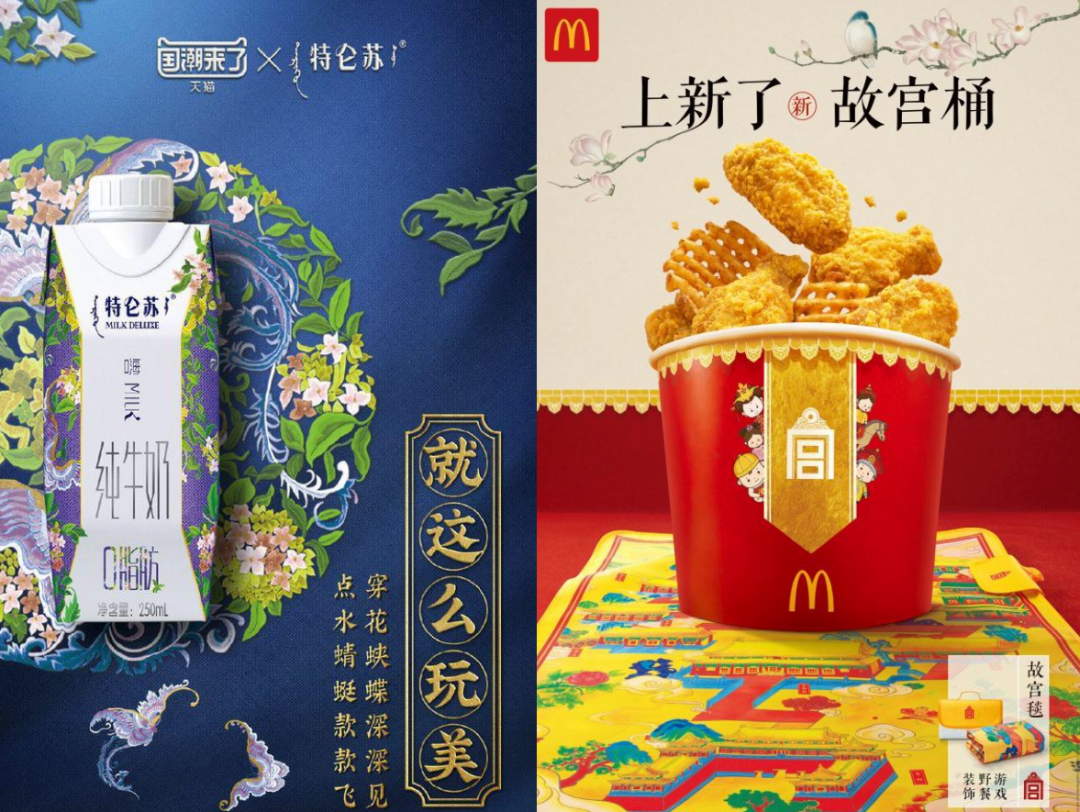
- Guochao (国潮, "China Tide", “Chinese National Trend”) brands like Li-Ning and White Rabbit leverage Chinese heritage and Chinese culture identity in modern ways.
- Huawei’s positioning as a homegrown tech leader strengthens its appeal amid US-China tensions.
2) Create Cultural Moments
- Alibaba’s Double 11 (Singles’ Day) is no longer just a sale—it’s a national shopping festival.
- Bilibili’s New Year’s Eve Gala blends pop culture with nostalgia, making it a youth cultural event.

3) Emotional Storytelling
- Pinduoduo’s “More Together” campaign highlights rural prosperity, resonating with Chinese family values.
- NIO’s user-centric culture (e.g., “NIO Houses” as community spaces) fosters brand evangelism.

The Long-Term Playbook for China’s Market
Winning in China isn’t about quick hacks—it’s about strategic brand building across identity, trust, and culture. Brands that succeed here:
- Develop a distinct identity (names, visuals, founder stories).
- Build trust through community & transparency (KOCs, UGC, social responsibility).
- Embed themselves into culture (Guochao trends, emotional storytelling).
Final Takeaway:
The most successful brands in China don’t just sell—they mean something to their consumers. Whether through national pride, lifestyle alignment, or trustworthiness, they become more than a product—they become a part of daily life.