How Chinese Consumers Discover Brands in 2026:
The New Path to Purchase
Introduction: The Fragmented Yet Connected Discovery Ecosystem
The 2026 Chinese consumer does not "discover" a brand. She assembles it—piece by piece, across screens, platforms, and moments that blur the line between inspiration and transaction. Ask a 28-year-old Shanghai professional how she found her current skincare brand, and she will not point to a single touchpoint. She might say: "I saw it on Xiaohongshu searching for anti-pollution serums. A Douyin video of a dermatologist explaining ceramides convinced me. I joined the brand's WeChat group for a trial kit. Three weeks later, I bought the full size on Tmall."
This is the new path to purchase. Not a funnel. A constellation—fragmented in appearance, deeply connected in behaviour. According to a late-2025 BCG study, the average Chinese shopper now interacts with 4.7 digital touchpoints before purchasing. Single-channel discovery is dead. The winners are brands that orchestrate these touchpoints like a symphony conductor, not a megaphone holder.
For overseas brands looking to enter China, this ecosystem presents both a formidable challenge and an unprecedented opportunity. Domestic brands have built deep moats in local platforms, consumer trust, and supply chain agility. But Chinese consumers in 2026 are also hungry for novelty, quality, and authentic global stories—if you know how to reach them.
Here are the five pillars, with a focus on what they mean for international brands entering the Chinese market.
1. Xiaohongshu: The Seedbed of Brand Desire
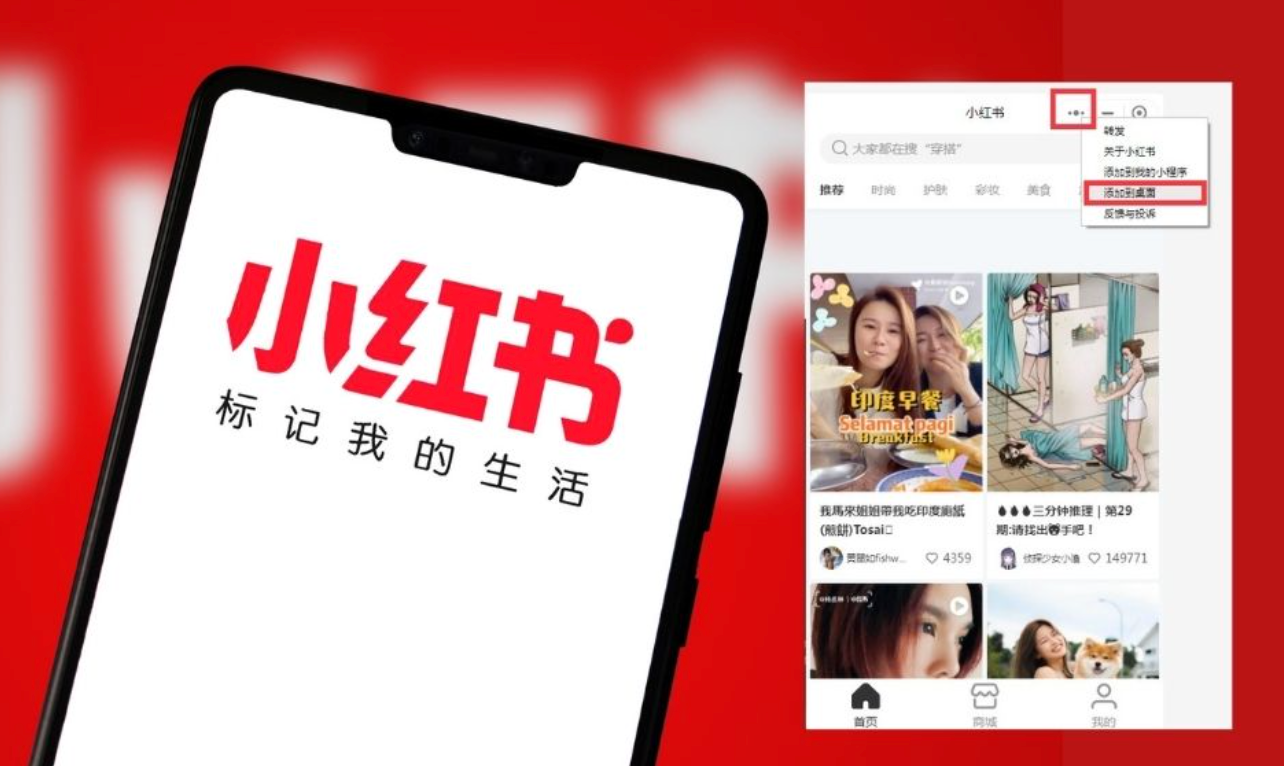
Why it matters for overseas brands:
Xiaohongshu is ground zero for brand discovery in China. With 300M+ MAU and 70% using it for product discovery, it is the single most important platform for an overseas brand's first impression. For foreign brands, the stakes are higher: you have no existing trust reservoir in China. Every post is your first handshake.
The Mechanics of Seeding (种草 / Build Awareness)
"种草" is the art of creating quiet, persistent desire. Unlike a banner ad screaming for attention, a Xiaohongshu post whispers. An authentic review. A KOC's honest comparison. A tutorial answering a specific need. The algorithm prioritises search intent.
Overseas brand case: Aesop (伊索)

When the Australian luxury skincare brand entered China via Tmall in 2024, they faced zero brand awareness among Chinese consumers. Instead of a paid media blitz, they seeded 800+ KOC posts on Xiaohongshu, each telling a "discovery story"—pharmacist-turned-formulator, minimalist packaging philosophy, a single hero ingredient like parsley seed. They didn't sell; they educated. Within six months, "Aesop parsley seed serum" became a top-20 search term. Tmall store traffic from Xiaohongshu referrals hit 45%. Cost per acquired customer was 60% lower than their initial paid media plan.
2026 trend: AI-powered KOC matching
New data platforms allow overseas brands to match with KOCs based on AI-analyzed "affinity clusters"—not just demographics. Australian supplement brand Swisse used this to identify 200 micro-KOCs whose followers overlapped with health-conscious post-95s in tier-2 cities. Precision seeding, zero waste.
Search-Driven Discovery
Over 60% of users now start product research on Xiaohongshu rather than Baidu. For overseas brands, your Chinese name, English name, and category keywords must be optimised from day one. Consumers don't search for "Aesop"—they search for "伊索 抗氧精华" or "澳洲 小众护肤品".
2026 shift: Semantic SEO
Xiaohongshu's 2026 algorithm weights "semantic clusters" over exact keyword matches. A post about "dry skin in Beijing winter" surfaces for "best moisturiser for dry skin" even without the exact phrase. MUJI published 400+ posts around scenarios ("small apartment storage hacks") that naturally featured their products, capturing search traffic from problem-aware consumers.
Actionable Insight for Overseas Brands
Do not start with Tmall. Start with Xiaohongshu. Build awareness before availability. Invest in KOC partnerships that tell your brand story, not your product spec. Think in "content clusters" around Chinese consumer problems, not your product categories.
2. Douyin: Viral Content as Discovery Engine
If Xiaohongshu plants the seed, Douyin accelerates its growth—explosively. In 2025, Douyin's e-commerce GMV grew 80% YoY. But for overseas brands, Douyin's real power is not transactional—it is attention.
The Algorithm as Matchmaker
Douyin's 2026 algorithm predicts desire before the user knows it. For overseas brands, this is a double-edged sword: the algorithm has no loyalty to your brand story. You earn attention in seconds or you lose it.
Overseas brand case: Lindt (瑞士莲)
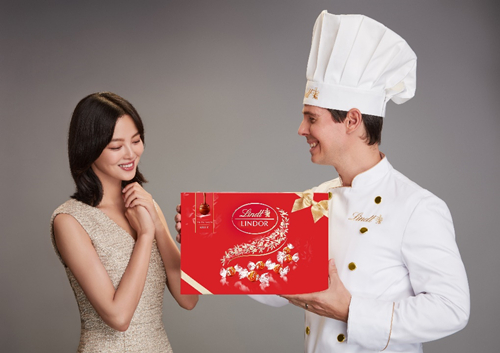
The Swiss chocolate brand entered China's premium market in 2025, dominated by Dove China and Meiji. They launched a Douyin campaign built around a single cultural insight: Chinese consumers view chocolate as a "gifting language," not a snack. Lindt created 15-second "occasion videos"—gifting at Qixi, Spring Festival, to a boss. Each showed a real scenario. The "EXCELSIOR" praline box became a trending gift symbol within three weeks. Stores in first-tier cities reported 200%+ sell-through during Qixi 2025.
2026 trend: Douyin search + shop
Douyin's 2026 search function processes 400M+ daily searches. Users actively search for product reviews, comparisons, and "开箱" (unboxing) of overseas brands directly on Douyin. Brands that optimise video titles, captions, and hashtags for search intent capture high-intent traffic without paid promotion.
Live Streaming as the New Storefront
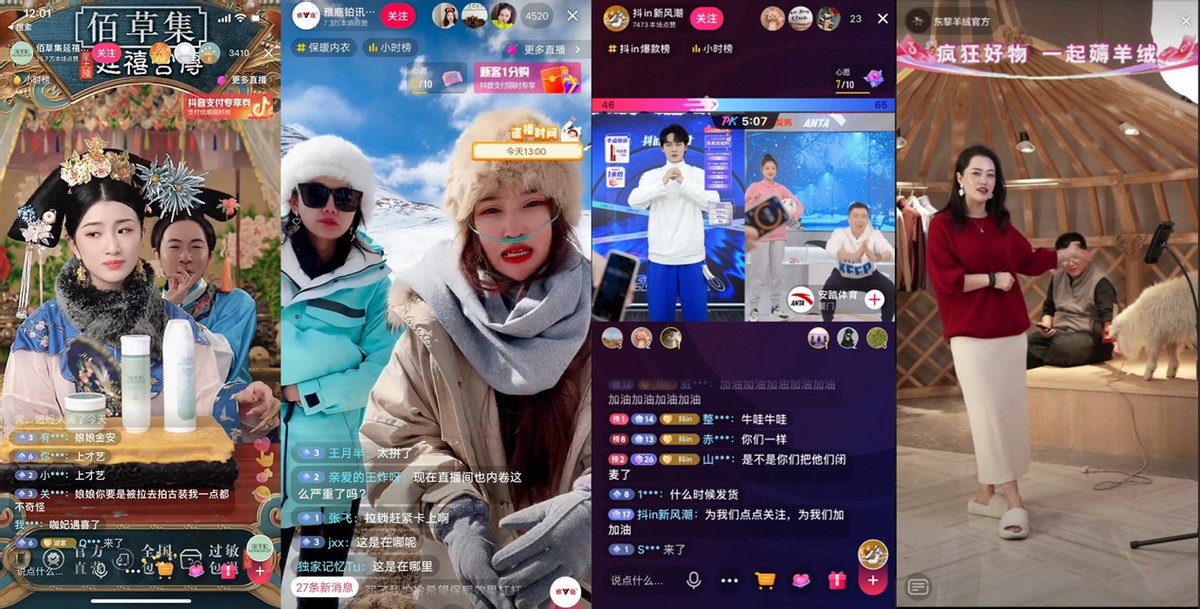
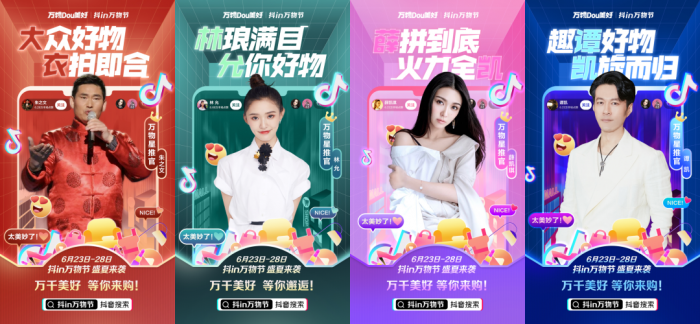
For overseas brands, live streaming solves the trust gap. A Chinese consumer has never heard of your brand—but she sees a KOL using, testing, and vouching for your product in real time.
Case: Shiseido's cross-border live strategy
Shiseido launched a "Japan-to-China" live stream from their Ginza flagship store, with Japanese beauty advisors and real-time Chinese subtitles. The novelty drove 800,000 concurrent viewers. Conversion from live stream was 4x higher than standard product pages.
2026 trend: Virtual KOL live streaming
L'Oréal and Estée Lauder use AI-generated virtual KOLs for 24/7 live streaming. These digital hosts switch seamlessly between Mandarin, Cantonese, and English. Cost is ~70% lower than human KOLs for off-peak hours.
Actionable Insight for Overseas Brands
Do not translate your global content for Douyin. Create content from a Chinese cultural insight, then find where your brand fits. Use "occasion-driven" content rather than product-driven content. If your product can be demonstrated visually, live streaming is your fastest path to trust.
3. WeChat Private Domains: From Discovery to Relationship
For overseas brands, WeChat private domains are the most undervalued asset in China. Domestic brands like Luckin have mastered this; most foreign brands are still trying to figure out what a mini-program is. The gap is the opportunity.
Why Private Domain Matters
Chinese consumers are sceptical of unknown foreign brands. A single Xiaohongshu or Douyin touchpoint is rarely enough to convert. The private domain builds the "relationship bridge" where you control the narrative.
Case: Nespresso China's WeChat ecosystem
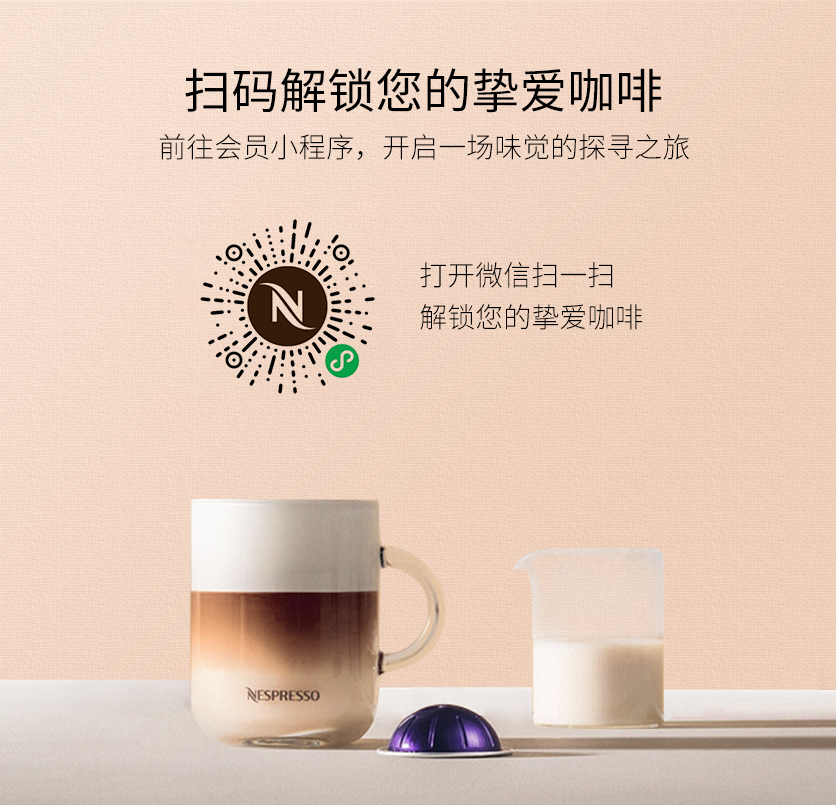
Nespresso entered China with strong global brand equity but limited awareness beyond luxury hotels. They built a WeChat mini-program that offered more than selling pods: a "coffee profiling" quiz, weekly brewing tutorials, a recycling program for loyalty points, and exclusive limited-edition blends. The mini-program became a CRM hub. Private domain members showed 40% higher annual spend and 55% retention after six months, versus 20% for non-members.
2026 trend: WeChat "brand hub" unification
Tencent's 2026 update allows brands to unify mini-program, video account, and group chat into a single "brand hub" with unified analytics. Canali (Italian luxury menswear) used this to create a seamless journey: Xiaohongshu → WeChat Video Account → personalised sizing guide → VIP group for early access. Closed-loop ROI: 3.2x within 90 days.
The Co-Creation Advantage
Case: Obagi (US medical skincare)
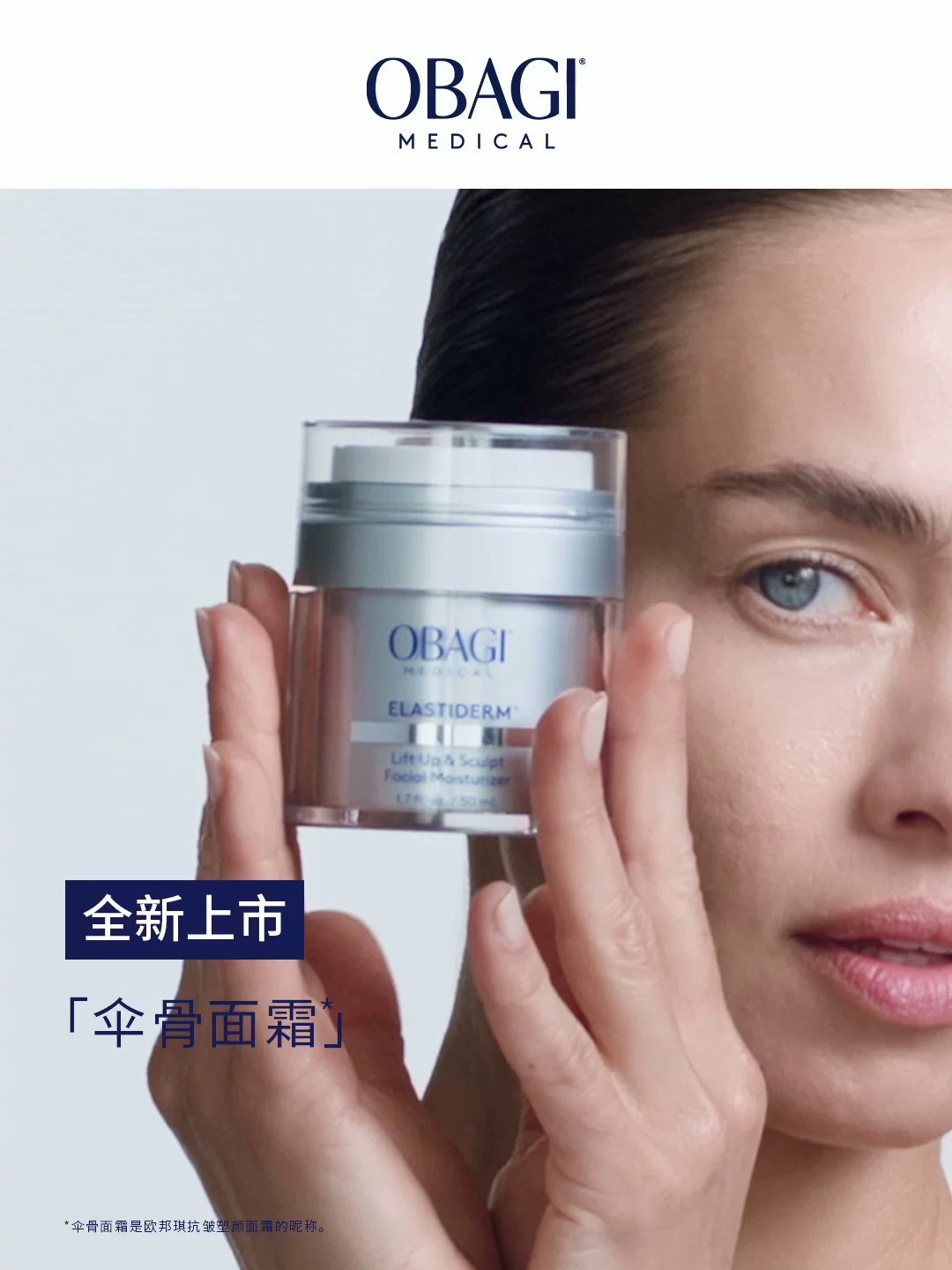
When the American dermatologist brand entered China in 2025, their products required professional guidance but they had no clinic network. They built a WeChat group-based "skin consultation" model: dermatologist-trained Chinese aestheticians hosted weekly live Q&A sessions. Members shared skin photos (anonymised) and received regimen recommendations. Conversion from free consultation to first purchase: 67%. Repeat purchase among group members: 73%.
Actionable Insight for Overseas Brands
Your private domain should not mirror your global CRM. Build it for Chinese consumer psychology: community, expert advice, and exclusivity over loyalty points. Use WeChat groups for education and trust-building. Invest in a mini-program as your "brand headquarters."
4. Cross-Border E-Commerce & the Social Commerce Loop
For overseas brands, e-commerce in China is a multi-layered ecosystem of Tmall Global, JD Worldwide, Douyin Mall, Pinduoduo, and cross-border platforms like Kaola and Dewu. Each serves a different discovery purpose.
Tmall Global: The Credibility Anchor
Over 60% of Chinese consumers search for a brand on a platform after seeing it on social media. A brand without a Tmall Global store is perceived as "unofficial" or "grey market."
Case: Byredo (瑞典小众香氛)
When Byredo entered China via Tmall Global in 2024 at ¥1,200+ for 50ml, they competed with established luxury players. Their strategy: use Tmall's "brand discovery" features to tell fragrance stories ("BAL D'AFRIQUE", "GYPSY WATER") through rich media, global customer reviews, and Xiaohongshu integration. Within 12 months, Byredo became the #2 best-selling niche fragrance brand on Tmall Global. Their page conversion from Xiaohongshu traffic was 8.2%—double the platform average.
2026 trend: "New Trends" discovery feeds
Tmall's 2026 feed algorithm now pushes overseas niche brands based on "trend affinity" rather than historical purchase data. A user browsing "Japanese denim" might discover a US selvedge brand. On Running and Hoka One One saw 300%+ organic discovery traffic.
Community-Driven Repeat Purchases
Case: Bobbi Brown's WeChat-to-repeat loop

When Bobbi Brown saw declining repeat rates among first-time Chinese buyers (only 15%), they built a WeChat community of "Brownie Fans" segmented by skin type. Monthly virtual masterclasses with Chinese makeup artists drove engagement. Members attending 3+ events had a 58% repeat rate—nearly 4x the non-member rate. Overseas brands earn repeat purchases not through product quality alone, but through ongoing education and community belonging.
Actionable Insight for Overseas Brands
Your e-commerce listing is your brand's most important owned media. Invest in rich content that mirrors the social discovery journey. Use cross-border platforms strategically—Tmall Global for credibility, Douyin Mall for impulse, Dewu for streetwear credibility. Build a repeat purchase engine on community habits, not paid retargeting.
5. The Overseas Brand Playbook: Entry Sequence and Common Pitfalls
The Recommended Entry Sequence
The most successful overseas brand launches in 2025–2026 follow a repeatable sequence:
Phase 1: Xiaohongshu seeding (Month 1–3) — Build awareness through KOC content. Validate product-market fit. Do not launch sales yet.
Phase 2: Tmall Global store + WeChat mini-program (Month 3–4) — Launch official sales channels. Use Xiaohongshu traffic as primary acquisition source.
Phase 3: Douyin viral push (Month 4–6) — Amplify with KOL collaborations and live streaming.
Phase 4: Private domain retention (Month 6+) — Build WeChat groups, community, and loyalty programmes. Repeat buyers cost 80% less to acquire.
Three Common Pitfalls
Pitfall 1: Translating, not localising
A premium European water brand launched with "Pure as the Alps." Chinese consumers found it irrelevant. After testing, they pivoted to science-based content about mineral composition. Sales tripled.
Pitfall 2: Treating China as one market
Consumer behaviour in Shanghai vs. Chengdu vs. Shenzhen differs more than London vs. Paris. A US snack brand failed in tier-1 cities but found explosive growth in tier-3 cities through Pinduoduo.
Pitfall 3: Ignoring the search loop
A Scandinavian furniture brand invested in Douyin virality but neglected Xiaohongshu SEO. Consumers searched for reviews and found none. Trust was lost at the moment of verification.
2026 Macro Trends Overseas Brands Must Watch
Douyin overtakes Baidu as #2 search engine: 400M+ daily product searches. Brand search + shop optimisation is now mandatory.
Group-buying 2.0: Pinduoduo now supports overseas brands with bonded warehouse integration. A Korean skincare brand sold 500,000 units in 48 hours through a "group flash sale."
AI-generated KOC content: Estée Lauder generates KOC-style content using AI trained on real posting patterns—cost down 60%, authenticity scores within 10% of human content.
Regulatory tightening: New 2026 customs labelling and ingredient disclosure rules make compliance a competitive advantage.
Key Takeaways for CMOs
The 2026 Chinese consumer's path to purchase is a circle: desire starts on Xiaohongshu, accelerates on Douyin, deepens on WeChat, and closes on e-commerce—only to begin again through community referrals.
Start with listening, not broadcasting. Use Xiaohongshu as a testing lab. Adapt based on real consumer feedback before going all-in.
Build a private domain before you need one. Have your WeChat mini-program and group strategy ready before your first KOC post goes live.
Think in content clusters, not campaigns. Chinese consumers research across 4.7 touchpoints. Your content must be discoverable at each stage.
Localise the brand soul, not just the language. Invest in brand storytelling that starts from Chinese cultural truth. Win brands feel "born for China," not "shipped to China."
Measure the loop, not the touchpoint. Track cross-platform attribution. Understand which Xiaohongshu posts drive Tmall searches.
The 2026 Chinese consumer is informed, sceptical, and loyal—but only to brands that earn her trust across every step of the journey. For overseas brands willing to invest in understanding this ecosystem, the prize is not just sales. It is access to the most sophisticated, demanding, and rewarding consumer market in the world.
Ready to master China's brand discovery ecosystem as an overseas brand?
Contact YIVA Digital for a tailored strategy connecting Xiaohongshu seeding, Douyin virality, WeChat loyalty, and cross-border e-commerce.
Let us build your path to purchase—together.