China Releases First AI-Based Brain-Computer Interface Standard

The National Medical Products Administration in China has announced the world's first standard for AI-based brain-computer interface medical devices. This development targets improving both the safety and efficacy of such medical devices, which are crucial for advancing healthcare technology. This regulatory move could pave the way for more streamlined innovation in the medical tech industry, offering a framework that ensures consumer safety while encouraging technological advancements.
Zhipu Unveils Next-Generation GLM Model
Zhipu has disclosed details of its upcoming generation GLM model, focusing on a self-training methodology. This innovation aims to enhance the model's performance while decreasing dependency on human annotations. For CMOs, this reflects a broader trend towards autonomous AI development, which could lead to faster deployment and adaptation in various business applications, ultimately impacting marketing strategies that rely heavily on AI-driven insights.
PhysBrain 1.5 by Deep Intelligence Achieves Top Ranking
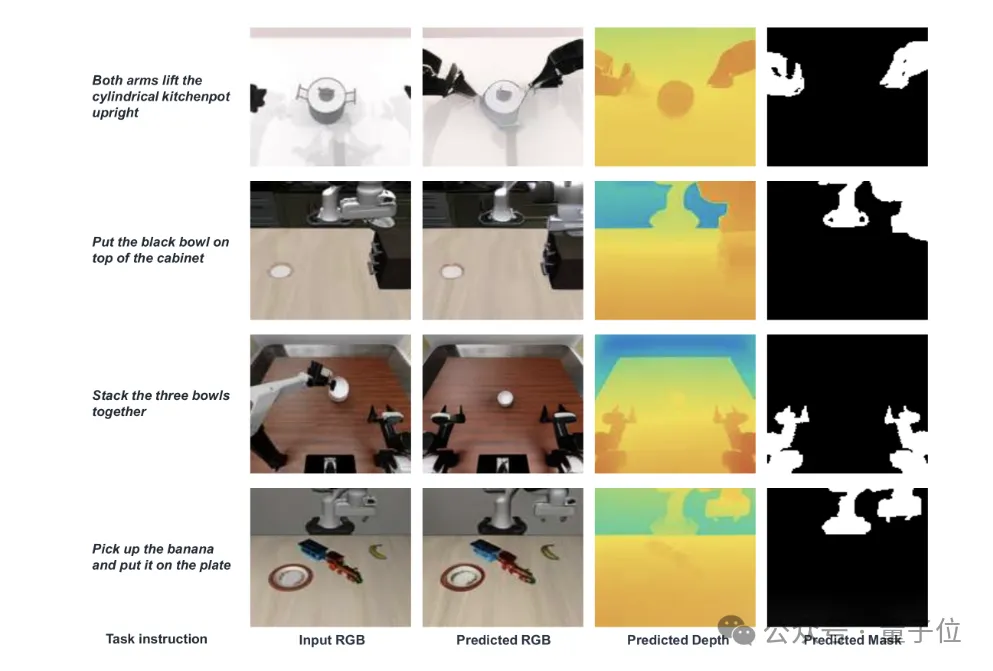
Deep Intelligence has introduced PhysBrain 1.5, a new physics-based AI model that has achieved the top spot in global open-source rankings. This breakthrough highlights China's growing influence and capabilities in the AI sector, particularly in developing sophisticated models that can operate across complex scientific domains. For brands, integrating such advanced AI could offer competitive advantages in data analysis and predictive modeling.
Bilibili Sees Rise in AI Content Consumption

Bilibili has experienced growth in user engagement, particularly with an increase in AI-generated content consumption. However, this is contrasted by a slowdown in the growth of AI-driven advertising. This suggests a shift in content strategy, where entertainment remains a focus but must be carefully balanced with monetization efforts. Brands using Bilibili for marketing should consider these dynamics when planning their advertising strategies.
Company A's IPO Plans Amid Strategic Concerns
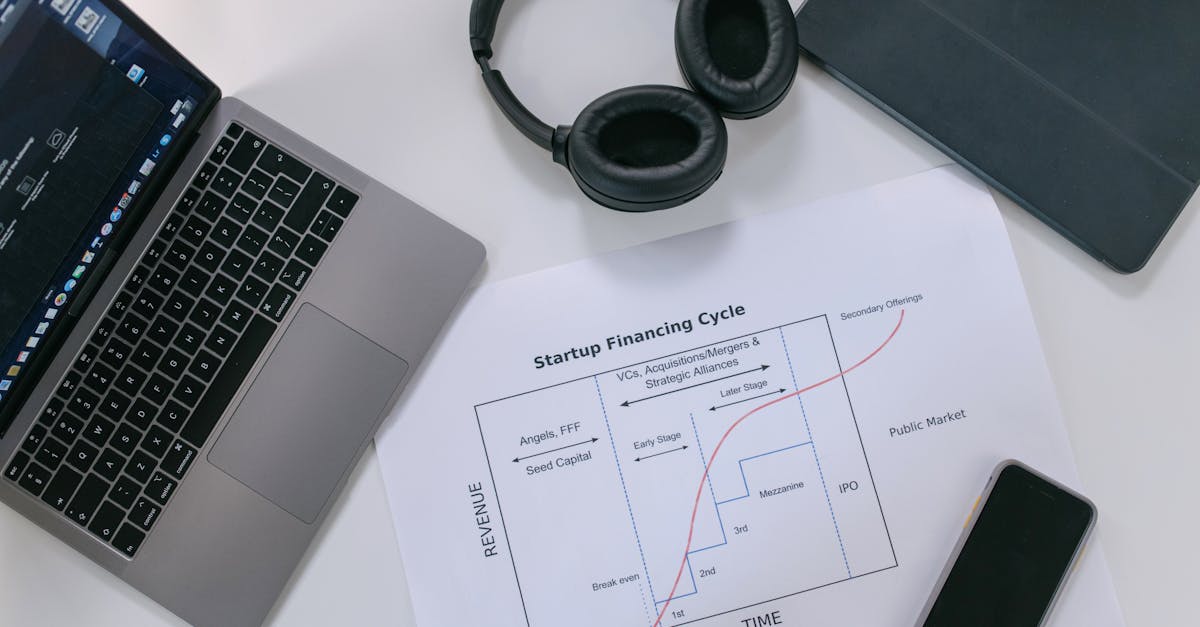
Company A, known for advocating AI development restrictions, is aggressively pursuing an IPO on Nasdaq, aiming to raise substantial funds comparable to SpaceX. This raises questions about the company's strategic consistency and long-term vision. For CMOs, this scenario underscores the importance of aligning investment strategies with core brand values, especially when navigating public markets and investor expectations.
Zhongji Xuchuang Reports High Transaction Volume

Zhongji Xuchuang's transaction volume on the A-share market has reached 20 billion yuan, indicating significant activity and potential volatility within China's stock markets. This highlights the need for CMOs to remain vigilant about market trends, as fluctuations can impact investment strategies and the overall economic climate that influences consumer behavior.