Extension of Mortgage Terms to 40 Years in China
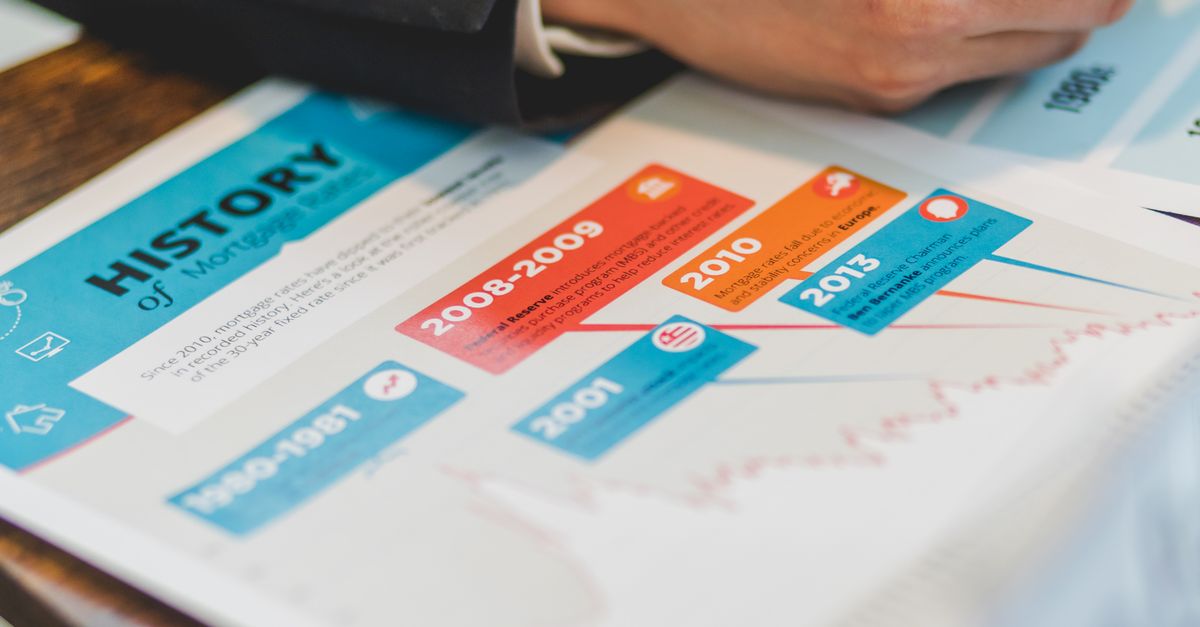
The extension of mortgage terms to 40 years in China is being analyzed as a significant shift in the real estate industry. This move emphasizes the need for financial institutions to focus more on project cash flow value rather than traditional metrics. For CMOs, this regulatory change could impact the housing market's stability and consumer spending patterns, influencing marketing strategies for products linked to home ownership.
Wangwang's Decline Due to Conservative Management

Wangwang is facing a nearly 40% decline in net profit, attributed to conservative management practices and aging product lines. This has led to layoffs and challenges in maintaining its market position. CMOs should note the importance of innovation and market adaptation in consumer goods to avoid similar downturns, especially in a rapidly evolving market environment.
Challenges Faced by New Snack Store Models

A new snack store business model, often referred to as "Little Sam's," is struggling to retain young consumers due to high rents and lack of product uniqueness. This highlights the importance of differentiation and cost management in retail strategy. CMOs in the retail and consumer goods sectors must consider innovative approaches to attract the younger demographic while managing overhead costs effectively.
Zhiyou Innovation Unlocks Restricted Shares

Zhiyou Innovation has unlocked 2.2264 million restricted shares valued at 904 million yuan as of September 1. This action affects the company's total share capital and could influence investor perceptions and stock performance. CMOs and financial strategists should monitor such capital market activities, as they can impact corporate valuation and investor relations strategies.
Significant Breakthrough in Copper and Gold Mining Exploration

A major breakthrough in copper and gold mining exploration in Anhui represents a new opportunity for the mining industry, with the potential for a large resource base in East China. This development could have downstream effects on industries reliant on these materials, impacting supply chains and marketing strategies for related products.