New Energy Vehicle Makers Face Profitability Challenges

In the first half of 2026, new energy vehicle (NEV) makers in China have been grappling with a disconnect between sales and profitability. Despite robust sales numbers, these companies reported significant losses, sparking a reevaluation of their financial strategies. The industry is exploring various approaches to mitigate these financial pressures, such as optimizing production costs and improving supply chain efficiencies. This situation highlights the critical need for NEV manufacturers to balance scale with sustainable profit margins.
Qwen Office Launches Qwen3.8-Flash AI Model

Qwen Office has released the Qwen3.8-Flash model, which significantly enhances the speed and efficiency of AI-generated content. This model boasts a 100% increase in generation speed and a 75% reduction in token consumption, marking a substantial innovation in AI applications. For marketers, this development could translate into more efficient content creation and resource management, providing a competitive edge in AI-driven marketing strategies.
Lotus Technology Sees Revenue Growth Amid Losses

Lotus Technology reported a 23% increase in revenue year-over-year for the first half of 2026, reaching $268 million. However, the company also faced a net loss of $151 million. The Chinese market played a significant role in driving revenue growth, suggesting potential opportunities for brand expansion and consumer engagement. The challenge remains to leverage this growth while addressing profitability issues, underscoring the importance of strategic market positioning.
Mixue Ice Cream's Innovative Marketing Response

Mixue Ice Cream has turned consumer mockery into a marketing advantage through humorous and engaging social media strategies. By cleverly responding to negative comments about its brand image, Mixue has managed to convert criticism into increased traffic and brand engagement. This approach underscores the effectiveness of agile and creative marketing tactics in enhancing brand perception and consumer interaction.
Samsung Electro-Mechanics Initiates MLCC Industry Upcycle
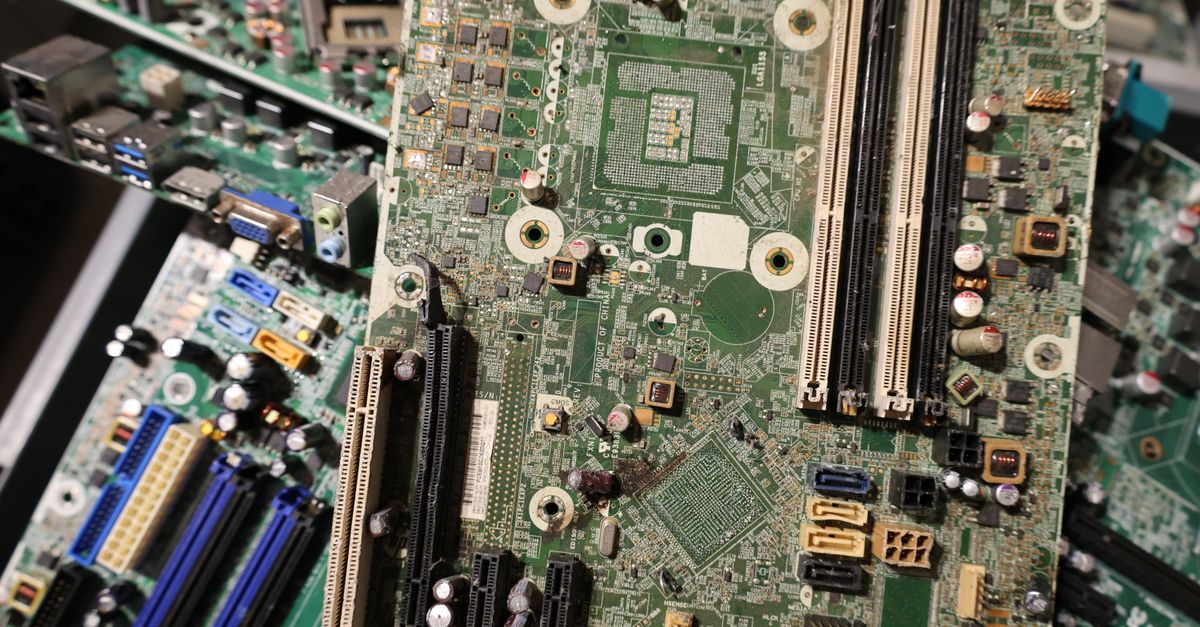
Samsung Electro-Mechanics has announced an increase in OEM pricing for Q4 2026, signaling the start of an upcycle in the Multi-Layer Ceramic Capacitor (MLCC) industry. This move is expected to affect pricing for both consumer and high-end products. For CMOs, this development requires strategic price adjustments and supply chain considerations to maintain competitiveness in the evolving electronics market landscape.
Siemens Advances Industrial AI with Xcelerator Platform
Siemens is leveraging its Xcelerator platform to push forward innovations in industrial AI, utilizing its extensive engineering expertise. The company emphasizes the distinctiveness and complexity of industrial AI applications, setting itself apart from general AI models. This advancement highlights Siemens' leadership in the industrial sector and offers insights into the potential for AI to transform manufacturing and production processes.
China's Organic Product Market on the Rise

China's organic product market is projected to reach a total sales volume of 152.2 billion yuan by 2025, driven by increasing consumer preference for green consumption and sustainable agricultural practices. This growth trend presents significant opportunities for brands focused on organic and environmentally friendly products, emphasizing the importance of aligning product offerings with consumer values and sustainability goals.