China's 'Companion Economy' Creates New Consumption Opportunities

The concept of the "companion economy" is gaining traction in China, opening up new avenues for consumer spending. This trend is driven by a growing demand for products and services that offer emotional comfort and companionship, particularly among younger demographics. For overseas brands, this represents a unique opportunity to introduce products that cater to this emotional connection, tapping into a burgeoning market segment.
Deflationary Pressures Persist as China's July Inflation Falls Short

China's inflation rate for July was lower than expected, continuing to highlight deflationary pressures within the economy. This economic environment could influence consumer spending patterns and pricing strategies for brands operating in China. Companies may need to adjust their pricing models or offer more value-driven propositions to align with consumer sentiment and maintain market competitiveness.
K-Shaped Differentiation: Emerging Market Trends and Opportunities

An analysis of K-shaped differentiation in the Chinese market reveals significant disparities in economic recovery and growth across various sectors. This trend presents both challenges and opportunities for businesses, as sectors recover at different paces. CMOs should focus on identifying resilient sectors that align with their brand's strengths and tailor their marketing strategies accordingly to capitalize on these emerging opportunities.
Boyu Sports App Market Surges with Over 1.2 Million New Enterprises

The Boyu Sports app market is projected to exceed 800 billion yuan in 2026, with the registration of over 1.2 million new enterprises within a year. This rapid growth underscores the app's popularity and the expanding digital sports market in China. Brands should consider partnerships or advertising within these platforms to reach a highly engaged audience and leverage the app's expanding ecosystem.
iPhone 18 Pro Costs Rise Significantly in Q3 2026
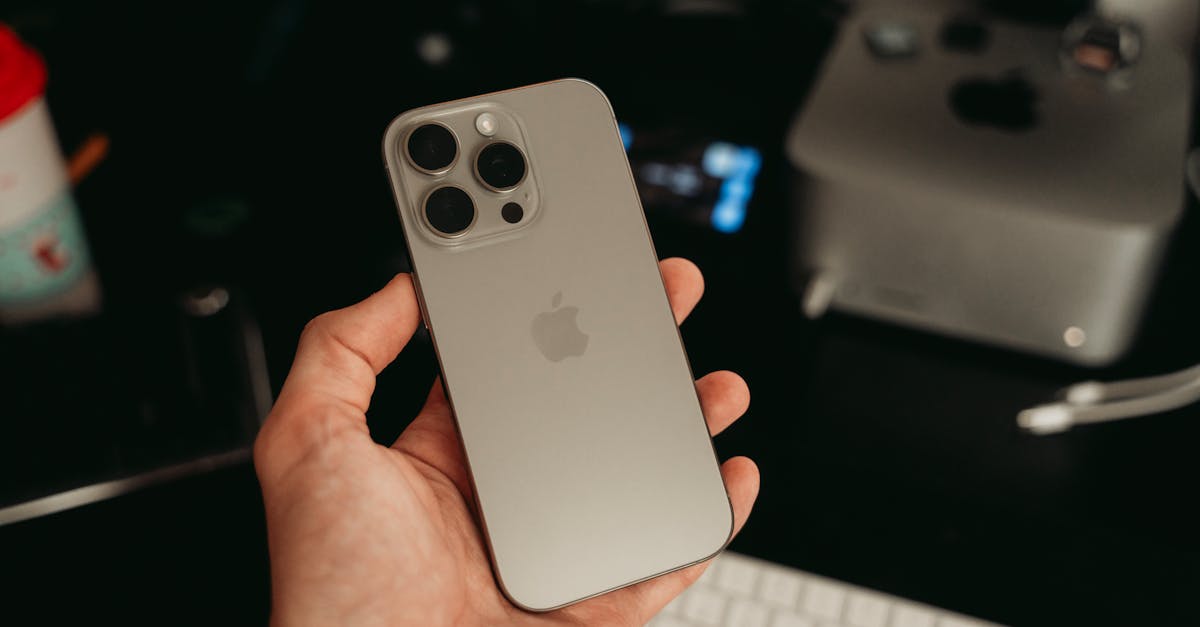
TrendForce reports a 38% year-on-year increase in the production cost of the iPhone 18 Pro for Q3 2026, with storage components accounting for 34% of the total cost. This rise in costs could impact pricing strategies and profit margins for technology brands. CMOs should monitor these changes and adjust their marketing and pricing strategies to accommodate potential increases in consumer prices.
Chinese Brand Cars Gain Market Share in Germany

In the first half of 2026, Chinese brand cars achieved a 3.8% share of new car registrations in Germany, an increase from 2.2% in 2025. This growth highlights the increasing acceptance and competitiveness of Chinese automotive brands in international markets. Brands should capitalize on this momentum by enhancing their brand image and expanding their market presence in Europe.
China's Foreign Trade Growth Demonstrates Economic Resilience
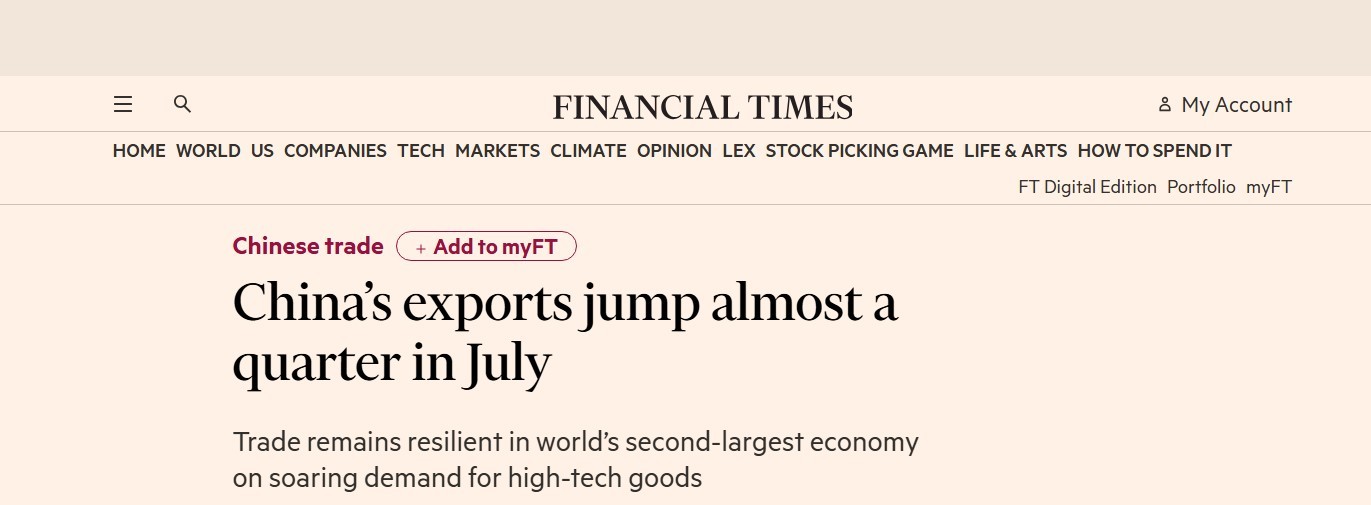
Robust growth in China's foreign trade reflects the overall resilience of its economy. This development is crucial for brands engaged in international trade, as it signals a stable and growing market environment. CMOs should consider expanding their export strategies and strengthening supply chain operations to take advantage of China's strong trade performance.